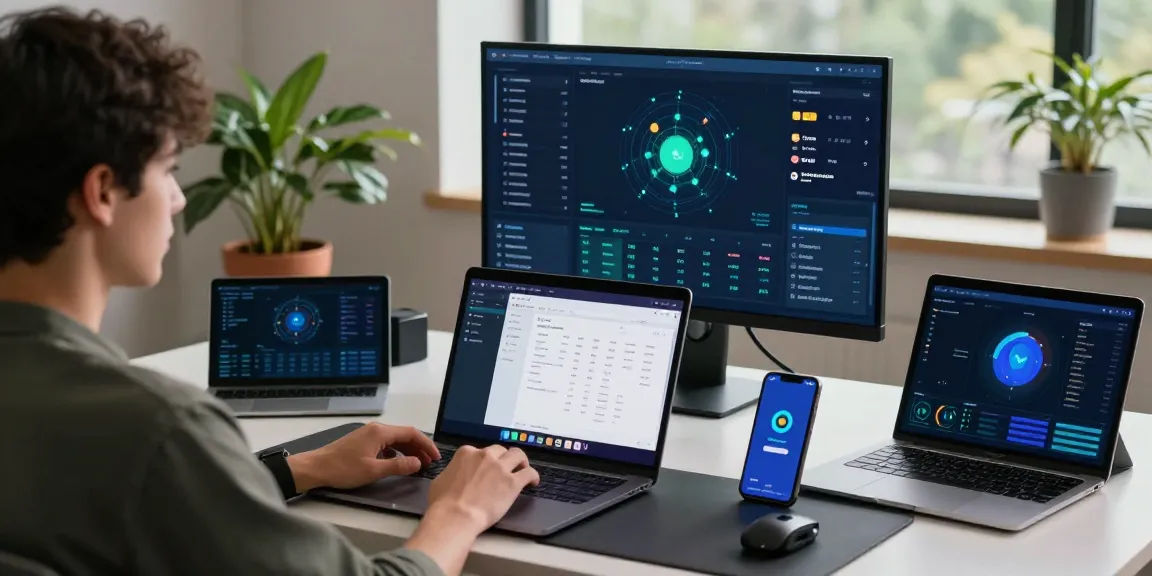
Understanding Prediction Markets and Their Applications
In the evolving landscape of finance and technology, prediction markets have emerged as a compelling tool for gauging public sentiment about future events. Combining elements of forecasting with social interaction, these platforms allow users to engage in predictive analyses across various sectors, including politics, sports, and cryptocurrencies. As we approach 2026, the popularity of 予測市場 アプリ continues to rise, making it easier for individuals to participate in this innovative space.

What Is a Prediction Market?
A prediction market is essentially a platform where individuals buy and sell shares in the outcomes of specific future events. The market operates on the principle that by aggregating the knowledge and opinions of a diverse group of participants, it can generate more accurate predictions than individual forecasts. Participants trade shares based on their beliefs about the likelihood of an outcome, such as whether a certain political candidate will win an election or if a specific financial asset will reach a target price.
How Prediction Markets Work
Users engage in prediction markets through a peer-to-peer exchange setup, which differentiates them from traditional betting or gambling platforms. Each outcome is represented by a contract, and participants can buy or sell these contracts based on their predictions. For example, if a user believes that Bitcoin will hit $100,000 this year, they can purchase contracts indicating that outcome. As more participants join in, the market typically reflects the collective wisdom, adjusting prices based on new information and changing sentiments.
Key Differences Between Prediction Markets and Gambling
While prediction markets share similarities with gambling, particularly in their speculative nature, they are fundamentally different in structure and purpose. Traditional gambling platforms often include high margins and operate with predefined odds set by bookmakers. In contrast, prediction markets utilize crowd-sourced insights to determine outcome probabilities, typically charging much lower fees. Additionally, many prediction markets are regulated as event contracts, allowing users to trade positions before events conclude, thus enhancing liquidity and engagement.
Introducing Swipe1: The Mobile-Native Prediction Market
With the rise of mobile technology, prediction markets have started to adapt, leading to the emergence of platforms like Swipe1. Designed to cater to everyday users rather than just seasoned traders, Swipe1 transforms complex forecasting into an intuitive, smartphone-friendly experience. As the first mobile-native prediction market app built on the BNB Chain, Swipe1 offers users a unique opportunity to participate in real-world event predictions with ease.
Features of the Swipe1 App
Swipe1 simplifies prediction by allowing users to express their opinions with simple swipe gestures—swipe left for 'YES', swipe right for 'NO', or swipe up to skip the question. This design caters to the mobile generation, creating a user-friendly interface that eliminates the intimidation often associated with more complex trading platforms. Additionally, the app offers features that enhance community interaction, such as tracking global sentiment, viewing rankings and activity in real time, and earning rewards through active participation.
How to Get Started with Swipe1
Getting started with Swipe1 is effortless. Users can sign up using a standard Gmail account or a Web3 wallet, making participation accessible for everyone. Once registered, users can immediately begin swiping on predictions across various categories, including sports, politics, and cryptocurrency. The platform also operates under a Free2Earn model, where participants don’t need to deposit funds; instead, engagement is rewarded through an internal points system, fostering a community spirit among users.
Community Engagement and User Feedback
Swipe1 is not just a prediction platform; it embodies a community-driven ethos. Users are encouraged to engage through activities, participate in discussions, and provide feedback to improve the platform. The mascot, SwipeBear, serves as a symbol of this community focus, representing milestones and encouraging user activity. By nurturing this sense of belonging, Swipe1 aims to make forecasting a daily habit rather than a high-stakes gamble.
Comparing Swipe1 to Competitors
The emergence of Swipe1 prompts a necessary conversation about its positioning against established competitors like Polymarket and Kalshi. While these platforms have proven the viability of prediction markets, they often cater to technical users focused on high-volume trading and financial speculation. Swipe1's mobile-first approach and gamified engagement model set it apart, targeting a broader audience that includes casual predictors alongside serious traders.
Swipe1 vs Polymarket: User Intent and Experience
Polymarket has carved a niche as a leading platform for crypto-native users, thriving on its robust trading features. However, its complexity can deter those unfamiliar with traditional trading practices. In contrast, Swipe1 prioritizes ease of use and social interaction. This distinction allows Swipe1 to tap into a wider demographic, offering a platform where casual users can enjoy predictions without the pressure of financial speculation.
Swipe1 vs Kalshi: Structural Differences
Kalshi, another prominent player in the prediction market space, focuses on regulatory approval for its contracts, catering primarily to institutional investors. Although its structure provides a certain level of credibility, it may alienate everyday users seeking a more straightforward predictive experience. Swipe1's lightweight design and community-centric approach facilitate a more inclusive atmosphere, allowing all users to participate, regardless of their experience level.
Market Positioning and User Demographics
As we look toward 2026, it is essential to analyze how Swipe1 positions itself against these competitors. With a focus on casual engagement and a social, gamified experience, Swipe1 attracts users who may have otherwise avoided complex prediction markets. The app’s straightforward interface empowers individuals from all backgrounds to express their opinions and contribute to the collective forecasting process.
Best Practices for Using Prediction Market Apps
To maximize the benefits of prediction market applications like Swipe1, users should adopt best practices that enhance their forecasting experience. Engaging with the platform not only improves personal insights but also contributes to the broader community knowledge.
Understanding Market Trends and Data
Users should familiarize themselves with market dynamics and trends, utilizing available data to inform their predictions. Understanding how events influence sentiments within specific industries can provide valuable context that aids in making more informed decisions. Regularly engaging with news and analysis pertinent to upcoming markets can enhance predictive accuracy.
Engaging with Your Community
Active participation in community discussions can provide additional insights and different perspectives on potential outcomes. By interacting with other users, individuals can gain a deeper understanding of market sentiment and trends. This can also foster collaboration and enhance the overall predictive environment on platforms like Swipe1.
Maximizing Your Earnings with Swipe1 Points
Leveraging the internal points system can significantly enhance the user experience on Swipe1. Users can earn points by participating in daily activities, referring friends, and utilizing Boost Cards. These points not only contribute to a user’s leaderboard status but also foster a sense of achievement and community involvement. Engaging consistently is key to maximizing potential benefits within the platform.
Future of Prediction Markets in 2026 and Beyond
As we delve into the future of prediction markets, it is clear that the landscape is rapidly evolving. The demand for accessible, engaging platforms continues to rise, driven by technological advancements and shifting consumer behaviors. By 2026, prediction markets are likely to become even more integrated into mainstream financial infrastructure, paving the way for innovative applications and broader adoption.
Trends Driving Adoption of Prediction Market Apps
Several trends are shaping the future of prediction markets. Increased interest in decentralized finance (DeFi) encourages users to explore alternative financial tools, supporting the rise of mobile-native platforms like Swipe1. Additionally, the growing popularity of gamification in finance may attract younger audiences, whose engagement is crucial for the sustainability of prediction markets.
Technological Innovations in Prediction Markets
Technological advancements, particularly in blockchain, are expected to enhance the security and scalability of prediction markets. The integration of smart contracts can streamline operations and strengthen user trust by ensuring trustworthy transactions. Swipe1's use of the BNB Chain exemplifies how participants can benefit from low transaction fees and quick processing times, which are vital for a seamless user experience.
Expert Predictions for the Industry Landscape
Industry experts predict that as user experiences improve, the prediction market sector will continue to attract a diverse range of participants. With platforms like Swipe1 leading the charge, the barrier to entry for casual users will lower, enabling more people to engage in forecasting activities. Moreover, as regulatory frameworks evolve, greater legitimacy will likely be afforded to prediction markets, further solidifying their place within the financial ecosystem.