Understanding Prediction Markets
In recent years, the landscape of financial forecasting has evolved rapidly, with prediction markets emerging as a powerful tool for individuals and businesses alike. These platforms allow users to make informed predictions about real-world events, providing insights that traditional polling methods often cannot match. With the rise of mobile technology, apps offering these services, such as Swipe1, have introduced a new level of accessibility and engagement. By simplifying user interactions into intuitive gestures, they are attracting a broader audience. When exploring options, 予測市場 アプリ provide comprehensive insights and allow users to participate in a gamified environment, connecting everyday opinions to actionable outcomes.
What is a Prediction Market?
A prediction market is an exchange where individuals can trade contracts based on the anticipated outcomes of future events. Participants buy and sell shares related to specific outcomes, effectively enabling a crowd-sourced probability on those events. For instance, if someone believes that a certain political candidate will win an election, they can buy shares reflecting that belief. If the prediction turns out to be accurate, they can sell those shares for a profit.
Key Features of 予測市場 アプリ
- User-Friendly Interface: Most prediction market apps, like Swipe1, are designed with simplicity in mind. Users can participate without needing a profound understanding of complex trading systems.
- Real-Time Data: Users can track how their predictions perform in real time, offering immediate feedback and insights into crowd sentiment.
- Accessibility: Available on mobile devices, these apps cater to a broader audience, encouraging participation from users who may not typically engage with traditional financial markets.
- Gamified Experience: Many platforms include reward systems that gamify predictions, enhancing user engagement through points or similar incentives.
Comparison with Traditional Betting Platforms
Unlike traditional sportsbooks that often charge high margins on bets, typically around 10%, prediction markets operate through peer-to-peer exchanges. This structural difference allows transactions to occur with much lower fees, often around 2%. Moreover, prediction markets are increasingly recognized as legitimate event contracts, meaning they operate under different regulatory frameworks compared to standard gambling platforms. This shift has contributed to their growing popularity and acceptance among users.
The Rise of Mobile-Native Prediction Platforms
The explosion of mobile technology has paved the way for innovative applications that cater specifically to everyday users. In 2026, platforms such as Swipe1 exemplify the transition from niche applications to mainstream solutions that democratize financial forecasting.
Why Swipe1 is Built for Everyone
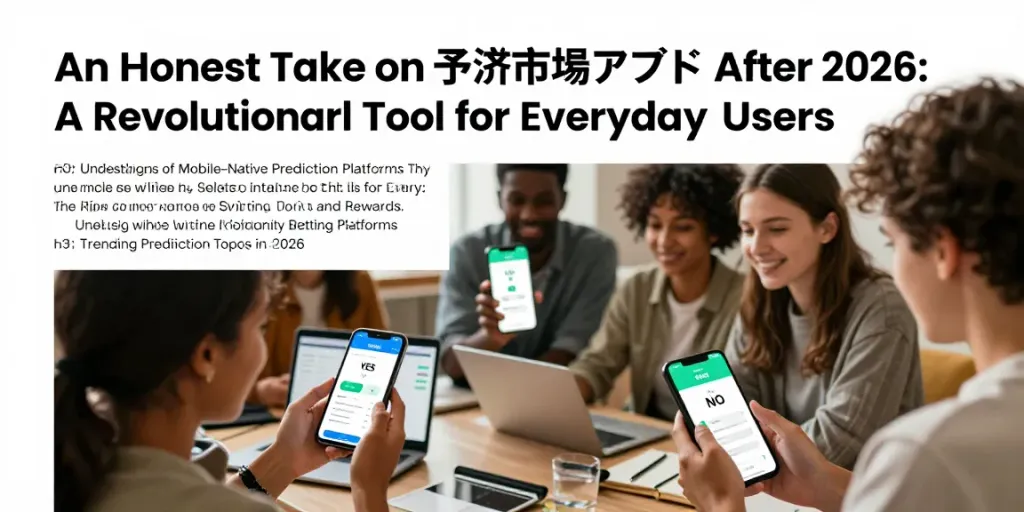
Swipe1 is designed to be accessible to everyone, focusing on simplicity and ease of use. With its mobile-native approach, users can make predictions about a wide variety of topics—from the outcome of major sporting events to political elections—by simply swiping left or right. This intuitive interface is particularly appealing to a generation that values quick, easily digestible interactions.
Accessibility and User Engagement
Accessibility is a primary focus for Swipe1. Users can log in using a standard Gmail account or a Web3 wallet, eliminating the need for complex setups. This lowers the barrier to entry, allowing both casual users and more serious forecasters to engage without feeling overwhelmed. Engagement is further encouraged through a points system, where users can earn rewards based on their activity and predictions.
The Community-Driven Approach in 2026
Swipe1 embraces a community-driven model, fostering interaction among users who share their insights and predictions. By incorporating a gamified system, the app promotes a social forecasting environment where predictions become a communal activity rather than isolated actions. The alignment with community interests drives engagement, making forecasting a shared experience.
How to Use Swipe1 Effectively
To maximize the benefits of Swipe1, users should familiarize themselves with the platform’s functionalities and community engagement strategies. Here are three simple steps to get started:
Three Simple Steps to Start Predicting
- Download the App: Available on both iOS and Android platforms, download Swipe1 to your mobile device.
- Create an Account: Sign up using your Gmail or Web3 wallet, enabling you to participate in predictions seamlessly.
- Start Swiping: Browse various prediction questions, and use swipe gestures to express your opinion on potential outcomes.
Understanding Swipe1 Points and Rewards
Within the Swipe1 ecosystem, users earn points through active participation in predictions and community activities. Various tasks, including daily predictions and referral bonuses, contribute to users’ point accumulation. Swipe1 Points enhance the gamified experience, encouraging users to engage more frequently. It’s crucial to note that these points do not hold inherent monetary value but are designed to incentivize activity on the platform.
Engaging with the Community on the App
Interaction within the Swipe1 community is crucial for both personal and collective success in forecasting. Users can follow other predictors, view rankings, and participate in discussions about ongoing predictions. Engaging with the community not only adds a social dimension to the app but also enriches users' forecasting abilities through shared insights and perspectives.
Trending Prediction Topics in 2026
As we move further into 2026, various topics are trending in prediction markets, reflecting ongoing global concerns and interests.
Predictions in Politics and Elections
With significant political events like the 2026 US Midterm Elections on the horizon, political predictions are among the most sought-after on platforms like Swipe1. Users can express their beliefs about candidates and party outcomes, adding to the analytical landscape of electoral forecasting. This focus on political sentiment showcases how prediction markets can function as a barometer of public sentiment.
Impact of Global Events on Prediction Markets
Global events, such as economic shifts, climate changes, and international conflicts, significantly influence the topics users choose to predict. For example, the repercussions of El Nino events on agricultural markets generate discussions about commodity prices and trade policies. Consequently, prediction markets become vital tools for understanding the interconnectedness of global developments.
Forecasting in Sports and Entertainment
Sports events, particularly high-stakes tournaments like the FIFA World Cup, garner massive interest from predictors. Users engage in predicting outcomes not just for fun but also as part of social interactions, sharing and debating their predictions with peers. Entertainment events, including award shows and major releases, also spark significant activity within prediction markets, illustrating the diverse interests within the community.
Future of Prediction Markets
Looking ahead, prediction markets are poised for continued growth and evolution, shaped by technological advancements and changing user behaviors.
Emerging Trends for 2027 and Beyond
As we approach 2027, several trends are likely to shape the future of prediction markets. Increased reliance on data analytics and machine learning models will likely enhance prediction accuracy. Furthermore, the integration of blockchain technology may provide even greater transparency and security, fostering trust among users. The evolution of user interfaces will also enhance accessibility, tapping into broader demographics and ensuring more inclusive participation.
Potential Challenges and Regulatory Considerations
Despite their growth, prediction markets face challenges, particularly concerning regulation. As these platforms gain popularity, legislative scrutiny may increase, requiring operators to navigate complex legal frameworks. Maintaining compliance while fostering innovation will remain a critical balancing act as industries adapt to changing regulations.
Insights from Industry Experts on Prediction Markets
Industry experts suggest that to remain relevant, prediction markets must prioritize user experience and community engagement. Ongoing user feedback and data-driven improvements will be vital for platforms looking to sustain interest and participation over time. As the market evolves, platforms like Swipe1 are well-positioned to adapt to these shifts and cater to the changing needs of users.
What are Users Asking About 予測市場 アプリ?
Curiosity about prediction markets continues to grow, with users frequently asking questions related to functionality, user engagement strategies, and the accuracy of predictions. Addressing these inquiries not only helps users navigate the platforms more effectively but also fosters a friendly community atmosphere that encourages participation.
How Can I Get Involved with Swipe1?
Getting involved with Swipe1 is a straightforward process. New users can download the app, create an account, and start engaging with the community through predictions. Participating in discussions and following experienced predictors can further enhance the experience and broaden insights.
What Are the Risks of Using Prediction Markets?
While prediction markets can be entertaining and informative, they come with inherent risks. Speculative activities can lead to financial loss, and regulatory uncertainties may impact platform stability. Users should enter these markets with caution and a clear understanding of the potential implications of their participation.